The origins of the MFO lie in Annex I to the 1979 Treaty of Peace between Egypt and Israel, in which the Treaty Parties sought a force and observers to supervise its implementation.
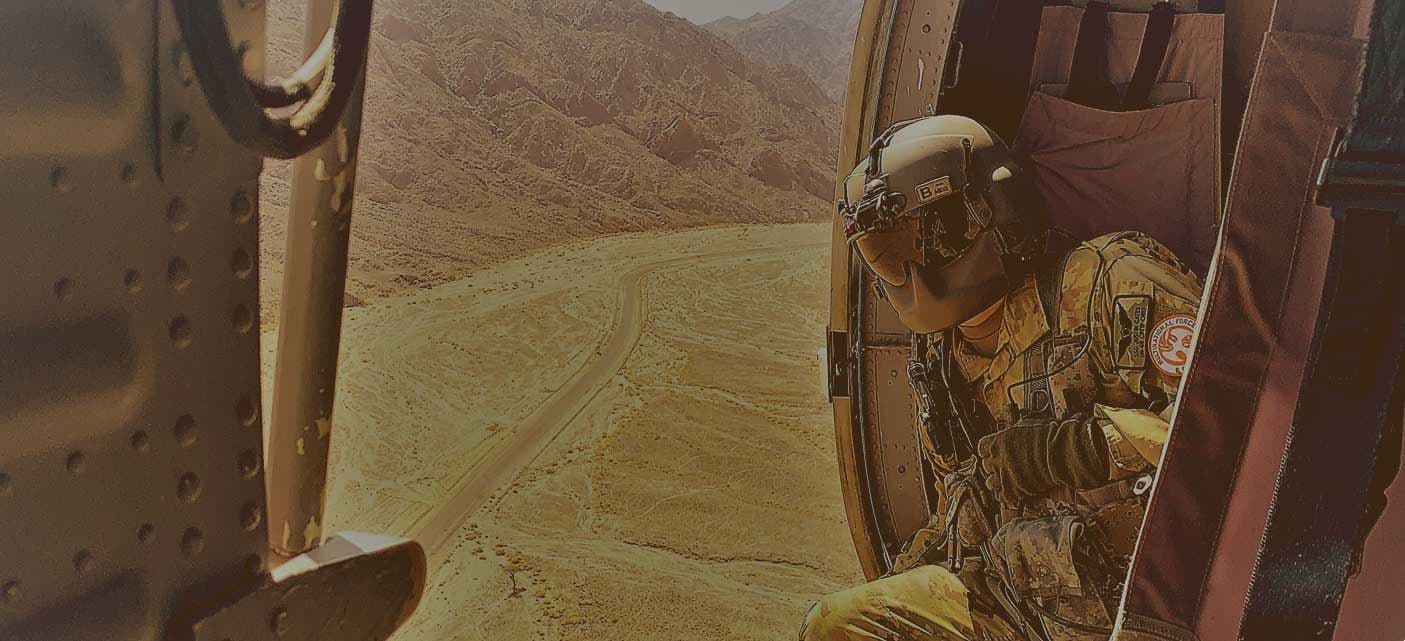
Supervise the implementation of the security provisions of the Egyptian-Israeli Treaty of Peace and employ best efforts to prevent any violation of its terms.

Discover the latest stories and updates from the MFO, highlighting the people, partnerships, and mission that help sustain peace and stability in Sinai.
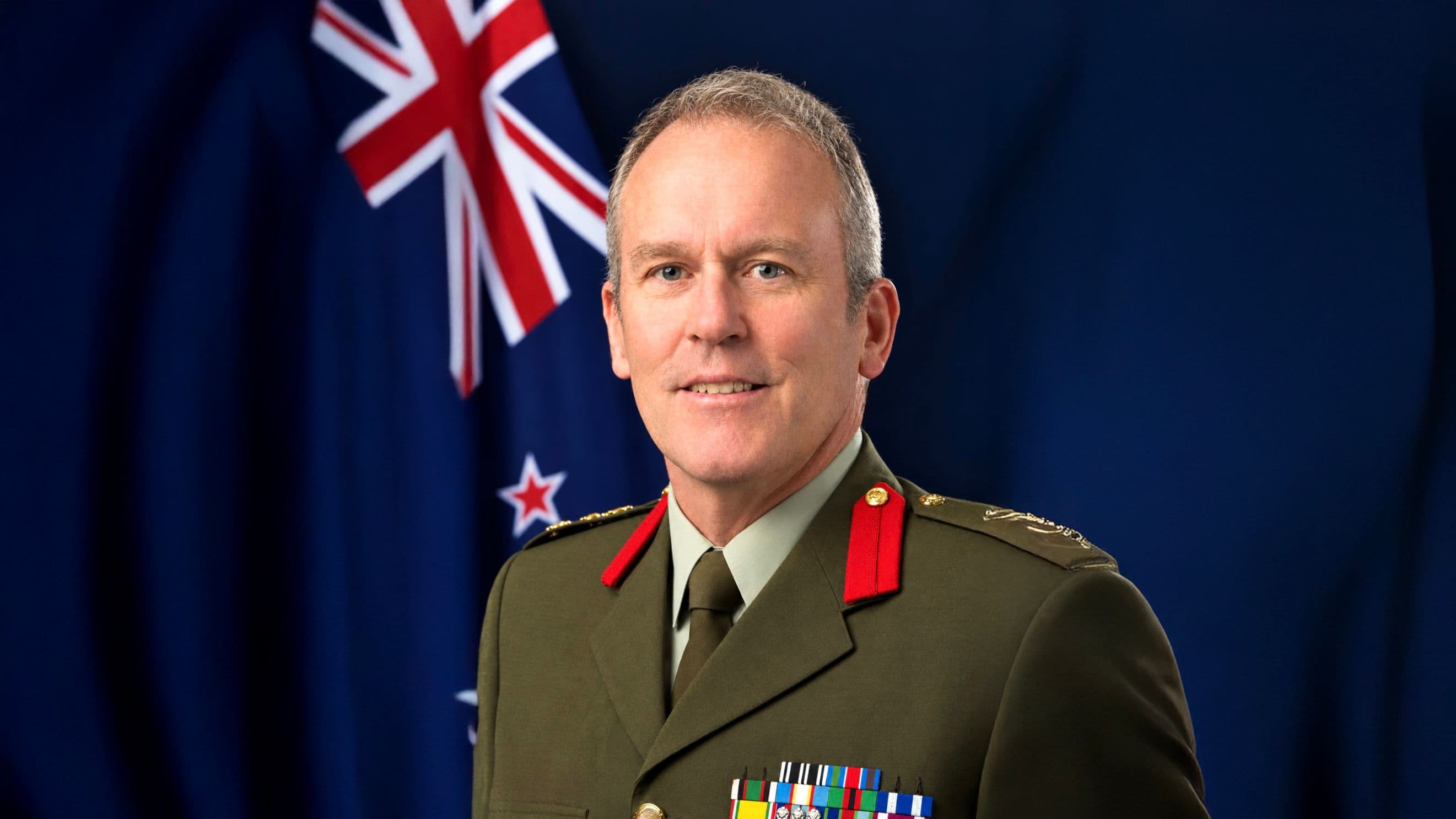
The MFO is honored to announce the appointment of Brigadier General (Promotable) Grant Motley of New Zealand as the next Force Commander of the Multinational Force and Observers, with the approval of the Governments of Egypt and Israel.
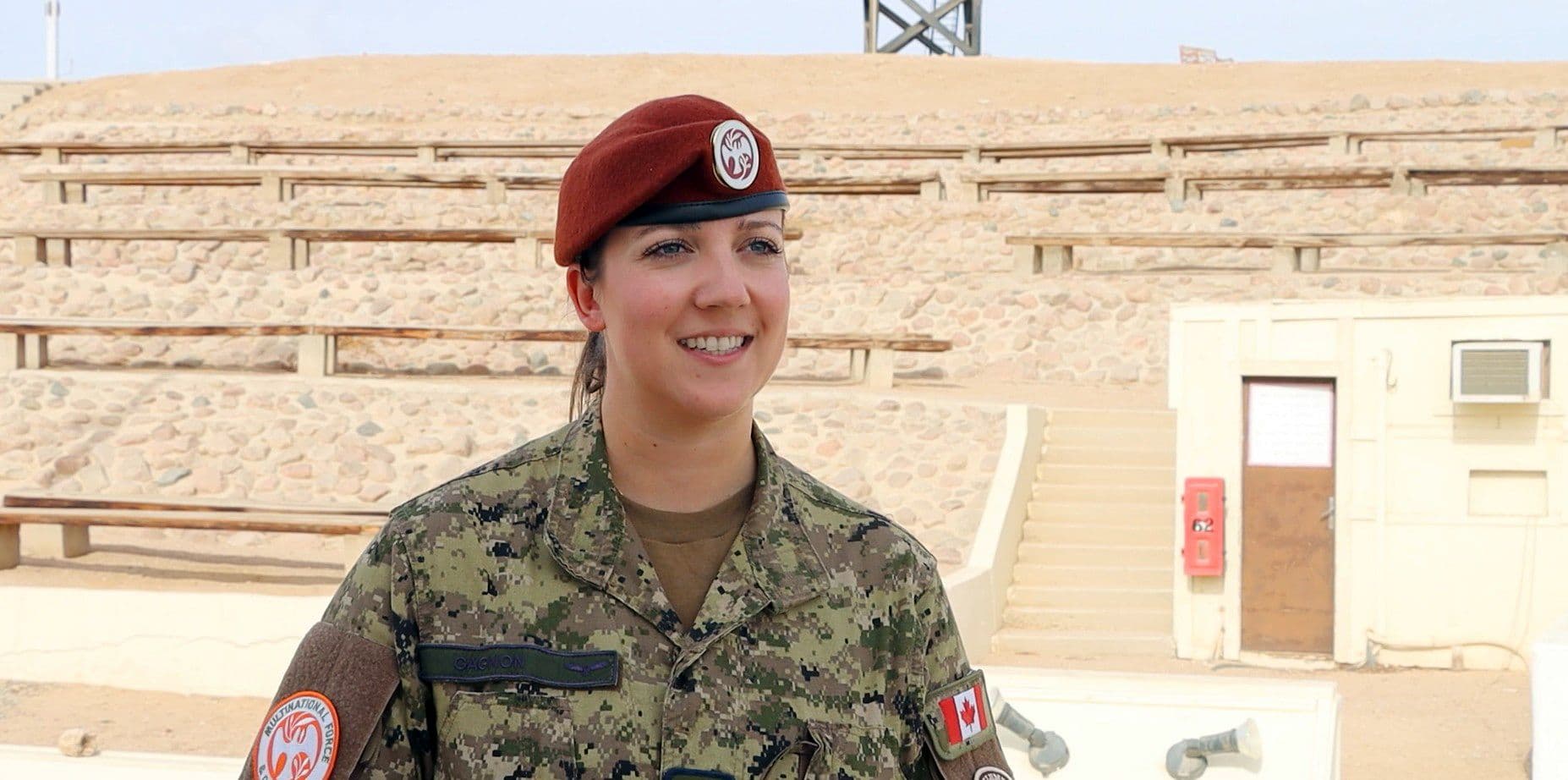
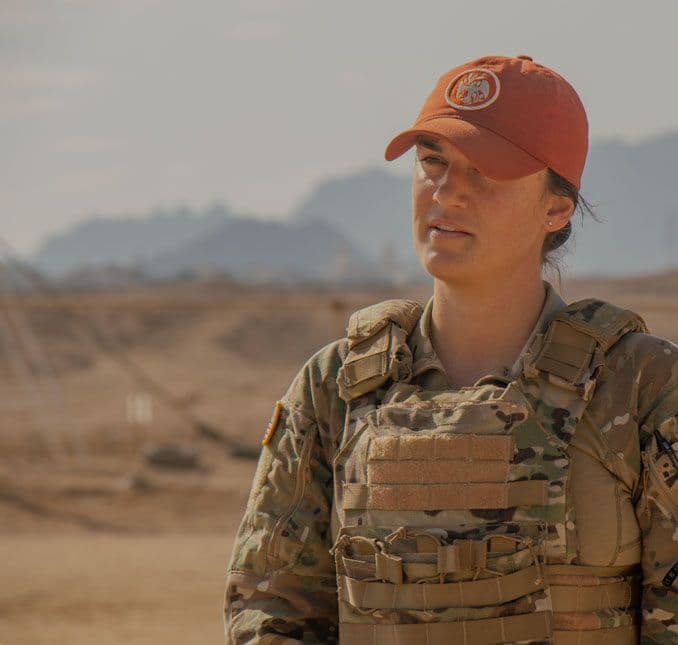
Meet Captain Lisa Gagnon, a Logistics Officer with the Canadian Contingent (CANCON).
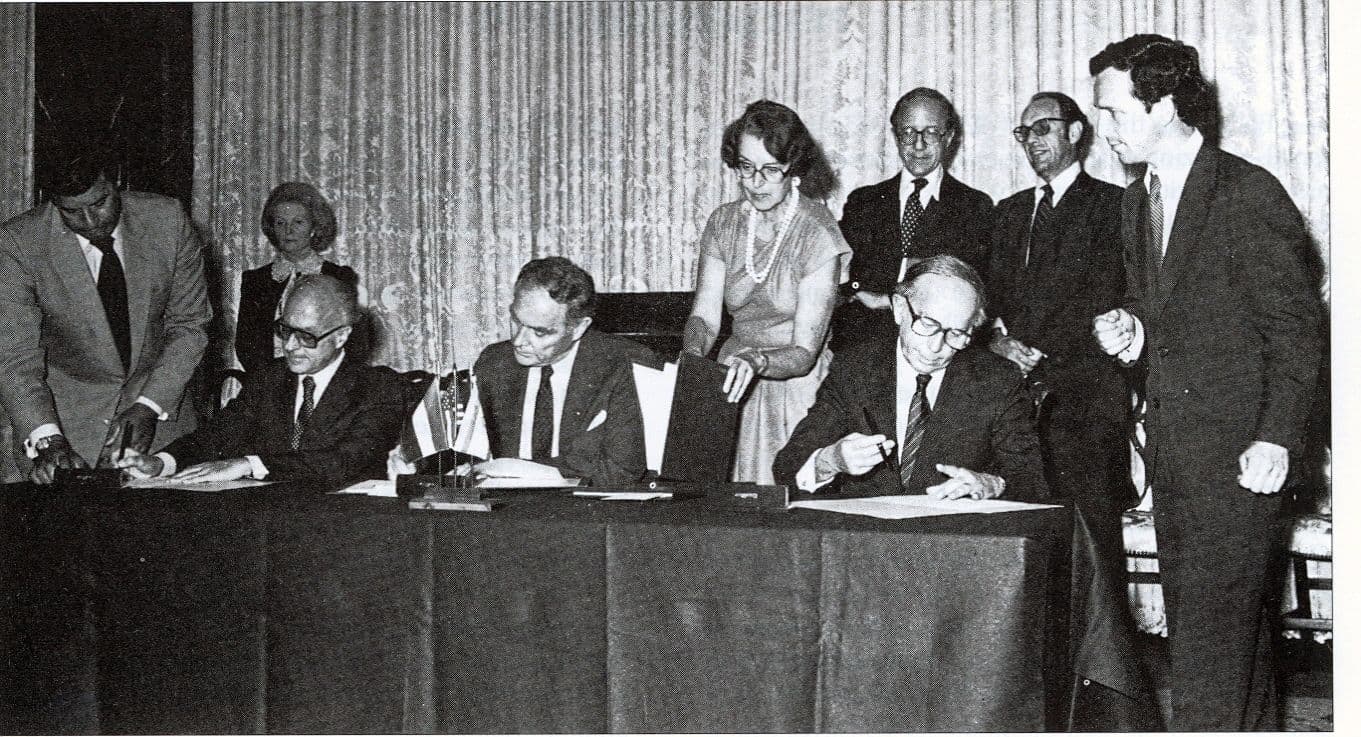
Today marks 45 years since the Protocol to the Treaty of Peace between Egypt and Israel was signed and the MFO was created.
Reflecting the breadth, multi-national support, and staying power of the Multinational Force & Observers mission.
The MFO was created in the wake of the March 26, 1979 Treaty of Peace between Egypt and Israel. Annex I to that Treaty established detailed post-withdrawal security arrangements, including limits on military personnel and equipment and the division of the area into four security zones—three in Egypt and one in Israel. Annex I also envisaged a force and observers to supervise implementation of these provisions.
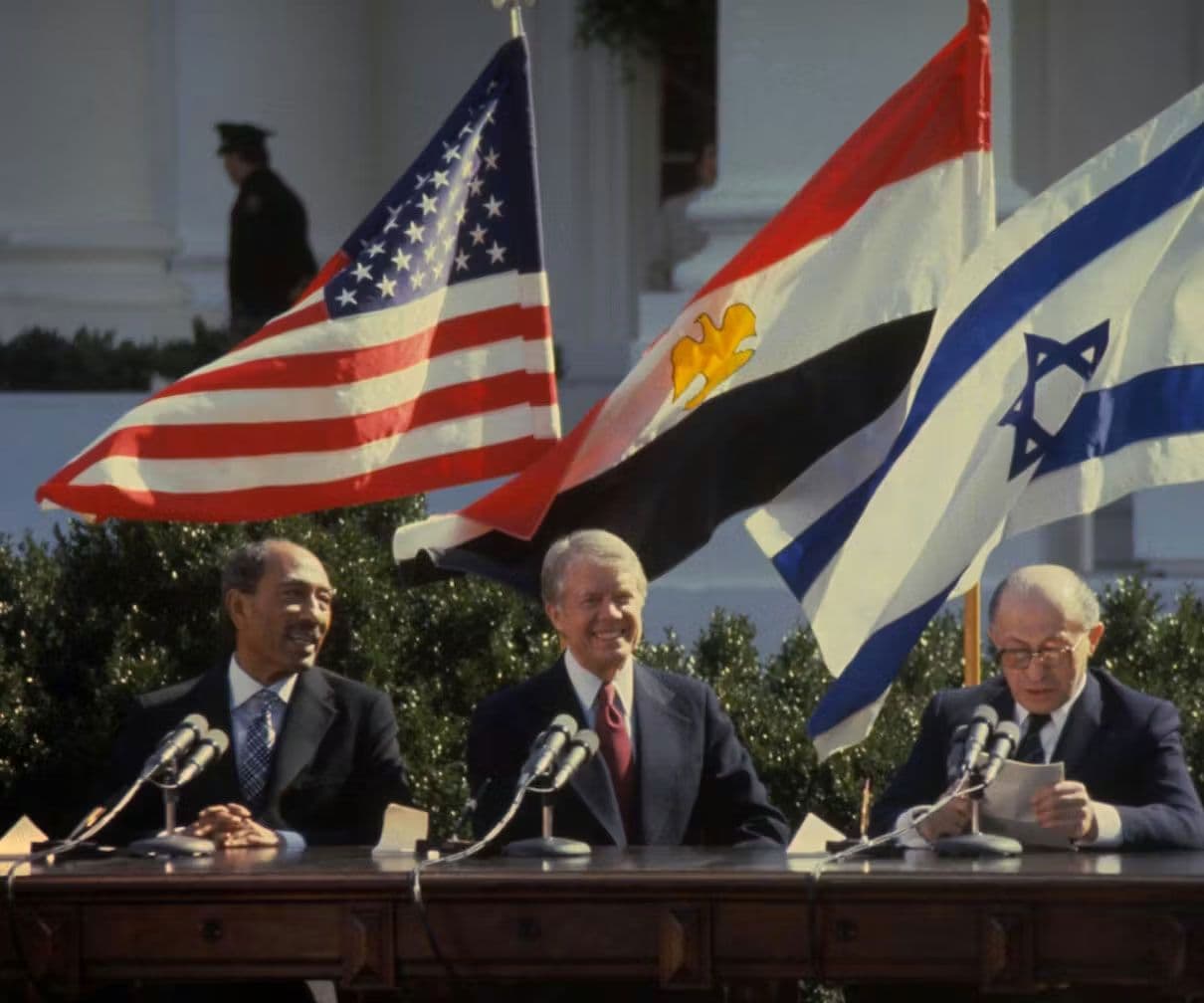
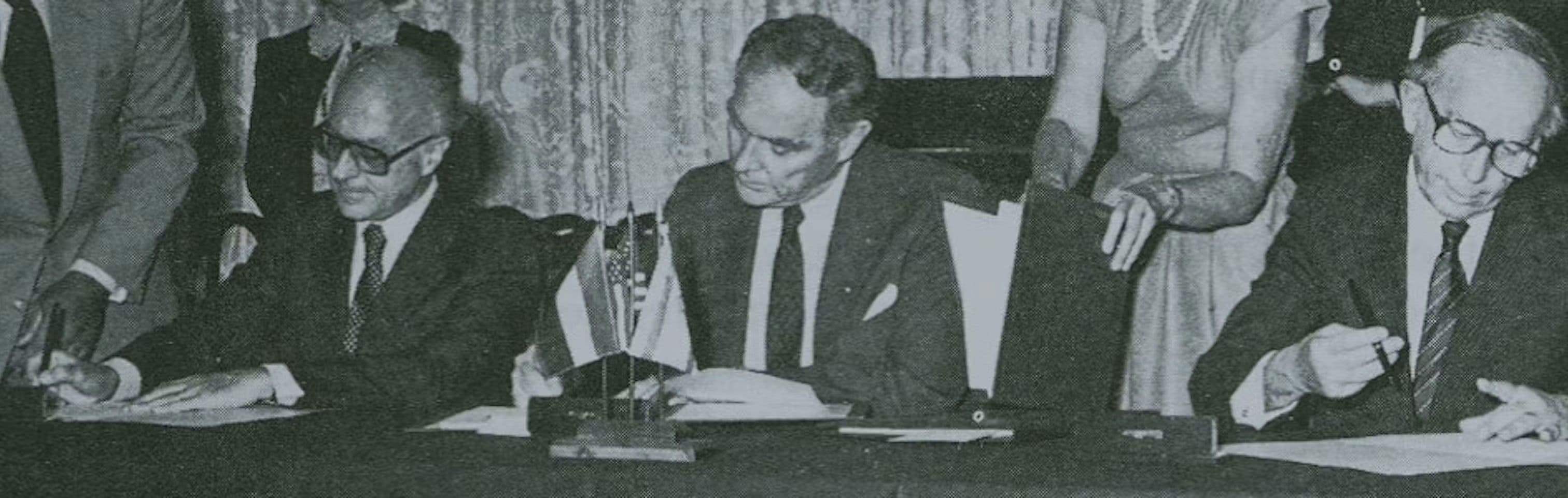
Because it did not prove possible to obtain Security Council approval for stationing a United Nations peacekeeping force in the Sinai, Egypt and Israel negotiated an alternative arrangement. With U.S. assistance, the Treaty Parties concluded the Protocol to the Treaty of Peace on August 3, 1981. That Protocol established the MFO as an independent, international organization outside the UN framework.
The MFO’s purpose is to supervise the implementation of the security provisions of the Treaty of Peace and employ best efforts to prevent violations of its terms. To carry out this mission, the MFO operates checkpoints, conducts reconnaissance patrols, and maintains observation posts within Zone C; periodically verifies compliance with Annex I (and conducts additional verifications upon request); and ensures freedom of navigation through the Strait of Tiran. Over time it has also taken on additional agreed responsibilities—such as monitoring the deployment of Border Guards along the Egyptian side of the Egypt–Gaza border—while facilitating dialogue between the Parties through an extensive liaison system.